

The Wedding Day Worries I Hear From Almost Every Couple (And What I’ve Seen Happen Instead)
After photographing more than 50 weddings across Calgary, Canmore, Banff, and the Alberta Rockies, I’ve noticed something that surprises almost every couple: the things they spend months worrying about are rarely the things they remember. Before a wedding day, it’s completely normal to wonder, “What if something goes wrong?” What if it rains? What if we feel awkward in front of the camera? What if the timeline falls behind? What if something doesn’t go exactly as planned? And honestly? Those worries make sense. Your wedding day is a huge moment, and you’ve invested so much time, energy, and emotion into creating it. But after years of being there behind the camera, I’ve learned that the most meaningful wedding days aren’t the ones where everything goes perfectly. They’re the ones where couples are able to let go, be present, and experience the moments unfolding around them. These are some of the biggest wedding day worries I hear from couples—and what I’ve seen happen instead.

The Weather
Why Couples Worry About It
Weather is one of the biggest things couples stress about before a wedding. And honestly, it makes sense.
You’ve spent months planning an outdoor ceremony. You’ve pictured sunny skies, soft light, and a perfect outdoor backdrop. Then you check the forecast five days out and see a rain cloud.
Suddenly, all that planning feels fragile.
A lot of couples start obsessing over weather apps. They check multiple times a day. They lose sleep. They fight about backup plans.
It’s one of those things that feels really high stakes because it’s totally out of your hands.
Why It Rarely Matters
Here’s what actually happens at most rainy or cloudy weddings: they turn out beautiful.
Overcast skies create soft, even light. That’s actually a dream for wedding photography. Harsh midday sun causes squinting, shadows, and blown-out highlights. Clouds fix all of that.
Rain photos? They can be some of the most romantic and memorable shots from the whole day. A couple laughing under an umbrella. Puddle reflections. Guests huddling together. These moments have a lot of feeling in them.
And guests? They adapt fast. A little rain doesn’t dampen the mood when the couple is happy and the party is good.
How Good Vendors Work Around It
Experienced wedding vendors have seen it all. Rain, wind, heat waves, surprise hailstorms. They don’t panic because they’ve planned for it.
- Venues usually have a solid indoor backup option ready to go
- Photographers carry extra gear and know how to shoot in low light or wet conditions
- Coordinators have a weather plan built into the day from the start
A good vendor team moves quietly in the background to handle issues before you even notice them. You stay present. They handle the rest.
The weather on your wedding day is real and unpredictable. But it almost never ruins anything.

The Timeline Running Behind
Why Couples Fear It
You spent months planning every single minute of your wedding day. So when things start running late, it feels like the whole day is falling apart.
Maybe the ceremony started 15 minutes late. Or the family photos took longer than expected. Suddenly, you’re watching the clock instead of enjoying your wedding.
That fear is real. But here’s what most couples don’t know until after the day is done: running behind is normal. It happens at almost every wedding.
What Actually Happens When Things Run Late
Not much, honestly.
Guests don’t notice a 20-minute delay the way you do. They’re chatting, drinking, and having a good time. They’re not tracking the schedule.
The moments that matter most, like your first look, your vows, your first dance, those still happen. A late start doesn’t cancel any of them. It just shifts things a little.
Most wedding vendors have seen it all before. Caterers keep food warm. DJs adjust their sets. Coordinators quietly move things around so the day still flows.
You might not even realize things were running late when you look back on it.
How Your Photographer Handles It
A good wedding photographer builds buffer time right into the plan. They know timelines slip, so they don’t plan as if everything will go perfectly.
Here’s what that looks like in practice:
- Shorter travel times between locations so there’s room to breathe
- Flexible photo blocks that can shrink or shift without losing the important shots
- Knowing which photos are must-haves so nothing gets skipped if time is tight
- Staying calm so you stay calm too
When your photographer isn’t panicking, it’s a lot easier for you to relax. That energy is contagious in the best way.
The goal is never to get every single photo on a list. The goal is to capture your day as it actually happens, late start and all.

Not Enough Time for Photos
The Fear of Missing Shots
This one is super common. Couples imagine a long list of must-have shots. The first look, the family portraits, the wedding party, the cake, the details. Then they look at the timeline and panic.
It feels like there is just no way to get it all done.
And honestly? That fear makes sense. You’ve put a lot into this day. You want it all captured.
What a Skilled Photographer Can Do in Less Time
Here’s the truth: a good photographer doesn’t need hours to get great shots.
Most of the best wedding photos happen fast. A quiet moment between you two. A look across the room. A laugh during portraits. None of that takes long.
An experienced photographer knows how to:
- Read the room and move quickly
- Spot good light without needing to set it all up
- Capture real moments while also directing posed ones
- Prioritize the shots that matter most to you
Even if you only have 20 minutes for couple portraits, that can be plenty. Some of the most beautiful wedding photos come from short, relaxed sessions where couples aren’t rushing or posing stiffly.
Less pressure often means better photos.
The key is talking to your photographer before the wedding. Share what matters most to you. A good photographer will plan around your priorities, not just work through a generic checklist.
Plan Your Day With Confidence
If you’re worried about fitting everything in, start with your overall wedding plan. A solid timeline makes a huge difference. Check out these sample schedule and guides to help you build a day that flows well and leaves room for the moments you actually care about.

Lighting Being Too Dark for Photos
Photography Lighting Fears
A lot of couples worry about this one. They picture a dimly lit reception hall and think, “Our photos are going to look terrible.”
It’s a fair concern. Venue lighting is usually set for mood, not cameras. Candles, string lights, and colored uplighting look beautiful in person. But they can stress couples out when they think about photos.
How Experienced Photographers Work in Any Light
Here’s the truth: a good wedding photographer has shot in bad lighting hundreds of times. Dark venues are just part of the job.
A few things that make a big difference:
- Off-camera flash adds light without making photos look harsh or flat
- Fast lenses let in more light naturally, so photos stay sharp even in dim rooms
- Knowing the venue ahead of time helps photographers plan their approach before the night even starts
Dim lighting doesn’t mean bad photos. A lot of the most beautiful wedding reception shots come from dark, candlelit rooms. The low light adds warmth and depth that bright overhead lighting just can’t give you.
The couples who worry most about this are usually the ones who end up loving their reception photos the most.
So if your venue is moody and dark, don’t stress. Tell your photographer what to expect. They’ll handle the rest.
Forgetting Small Details
The Mental Checklist Overload
You probably have a list somewhere. Maybe a few lists. The ribbon color for the boutonnieres. The card for the officiant. The backup bobby pins. The something borrowed.
It’s a lot to hold in your head.
Most couples spend weeks worrying they’ll forget something small. And honestly? They usually do forget something small. A card gets left at home. The guest book pen goes missing. Someone forgets to bring the cake knife.
It happens at almost every wedding.
What You Will and Won’t Remember After
Here’s what’s wild: a year from now, you won’t remember any of it.
You’ll remember how your partner looked at you. You’ll remember laughing with your people. You’ll remember the feeling of the whole day.
The forgotten ribbon? Gone from your memory completely.
The details that feel huge right now are mostly invisible to your guests. Nobody is walking around checking your decor list. They’re eating, drinking, and celebrating you two.
A few things that actually stick with couples after the day:
- How present they felt during the ceremony
- The candid moments they didn’t plan
- The photos that captured real emotion
The small stuff fades fast. The big feelings don’t.
So if you forget something, let it go. Someone on your vendor team has probably already handled it without telling you.

Kids Misbehaving
Worry About Little Ones Disrupting the Day
Kids at weddings. Just the thought makes some couples nervous.
Will the flower girl refuse to walk down the aisle? Will a toddler have a meltdown during vows? Will the ring bearer lose the rings?
It happens. And couples spend a surprising amount of time worrying about it before the big day.
Why Kids Add Magic to Wedding Photos
Here’s what actually happens when kids show up at weddings: they steal the show, in the best way.
A little one covering their eyes during the kiss. A flower girl spinning in her dress. A toddler falling asleep on grandpa’s lap during dinner. These are the moments people talk about for years.
Kids don’t follow the script. And that’s exactly what makes them so good to photograph.
Some of the most memorable wedding photos come from unplanned kid moments:
- A ring bearer making a funny face at the altar
- A flower girl waving at the crowd instead of walking
- Little cousins chasing each other on the dance floor
- A tired baby passed out during the reception
Real moments beat posed ones every time. Kids are basically walking, talking, unpredictable moments. And a good photographer knows to keep an eye on them all day.
So if you’ve been stressing about the kids on your guest list, take a breath. They’re not a problem to manage. They’re some of the best parts of the day.
The Officiant Making Mistakes
Ceremony Perfectionism
You’ve probably imagined your ceremony going perfectly. Every word said just right. The timing spot on. No stumbles, no awkward pauses.
So when the officiant flubs a line or loses their place, it feels like a big deal.
It really isn’t.
Most couples spend hours worrying about this. They stress over:
- The officiant mispronouncing a name
- Saying the wrong line at the wrong time
- Forgetting a part of the script
- Pausing too long or rushing through
It makes sense to care. The ceremony is the whole point of the day.
Why Guests Focus on the Couple, Not the Script
Here’s what’s actually happening while you’re standing at the altar: your guests are watching you.
They’re not fact-checking the officiant. They’re looking at your face when you see your partner walk in. They’re watching you hold hands. They’re trying not to cry.
Nobody is following along with a script.
A small slip from the officiant barely registers. Most guests won’t even notice. And if they do, they forget it within minutes.
What people remember is the feeling of the room. The vows. The kiss. The way you both looked at each other.
That’s what sticks with people. Not whether the officiant said “lawfully wedded” or “legally wedded.”

The Centerpieces Not Looking Perfect
Why Couples Obsess Over Table Decor
Centerpieces get a lot of attention during wedding planning. Couples spend hours picking flowers, vases, candles, and greenery. They stress about height, color, and whether everything matches.
It makes sense. You’ve seen stunning wedding tables on Pinterest. You want yours to look just as good.
But here’s what happens: couples pour so much energy into table decor that it becomes one of the biggest stress points of the whole day.
What Guests Actually Notice
Guests notice the food, the music, and the people around them. They notice how happy you look. They notice if the bar line is short.
The centerpieces? They’re background.
Most guests will glance at the table, think “oh, pretty,” and move on. Very few will remember the exact flowers or whether the candles were pillar or taper style.
And in photos, centerpieces are rarely the focus. Your photographer is capturing you, your partner, your family, and the moments that actually matter.
Here’s a quick reality check:
- What couples stress about: flower variety, vase shape, table linen color
- What guests remember: laughing, dancing, good food, feeling welcome
- What shows up in photos: emotions, connection, candid moments
The centerpieces can be simple. They can be budget-friendly. They can even be slightly off from what you planned. Nobody will know, and nobody will care.
Put your energy into the parts of the day you’ll actually feel.

Hair and Makeup Running Over Time
The Morning Rush Fear
Getting ready takes longer than expected. Almost every couple worries about this one.
You picture the morning going smoothly. Then someone’s lashes take forever. The curling iron needs more time. A bridesmaid isn’t ready. Suddenly, the timeline feels like it’s slipping.
This is one of the most common fears leading up to the wedding morning.
Why This Rarely Derails the Day
Here’s the truth: hair and makeup running late is normal. Most experienced hair and makeup artists know this. They build extra time into their schedule.
A few things that usually help:
- Your lead artist starts with the bride last. This way, you’re freshest for photos.
- Good vendors communicate with each other. Your photographer and coordinator likely already know there’s a delay.
- A little buffer time is always built in. Most wedding-day timelines have wiggle room for exactly this reason.
Even if things run 20-30 minutes behind, a skilled photographer adjusts. They work with what they have. They move things around to protect the shots that matter most.
The morning rush feels stressful in the moment. But by the time you’re walking down the aisle, nobody remembers it.
Shannon is literally the glue that held our day together and was a big reason that our wedding was so much fun!
Our wedding day was action packed with lots of moving pieces. Shannon and her team were easy going and flexible, especially when the day was not going exactly to plan. Her relaxed demeanour helped to keep me calm and allowed me to enjoy the day that much more. Due to some of the chaos on the day, we had to reduce the time scheduled for both pictures and the first look from 3 hours to 30 minutes. Shannon still nailed the shoot and I more than love our collection of wedding photos. I would beyond highly recommend her to anyone looking for an amazing professional! If you choose her for your special day, not only do you not have to stress about pictures, but know that she has your back!

Guests Not RSVPing on Time
The Headcount Panic
You send out invites. The RSVP date comes and goes. Half your guests haven’t responded.
It feels like you’re planning a dinner party in the dark. You don’t know if it’s 80 people or 150. Your venue needs numbers. Your caterer needs numbers. You need numbers.
So you start texting. Then calling. Then asking your mom to call their mom. It becomes a whole thing.
This is one of the most common stressors couples deal with in the months before the wedding. And honestly, it makes sense. You’re trying to plan everything, and people just… don’t reply.
Why Final Numbers Work Out
Here’s what actually happens: the numbers sort themselves out.
Caterers and venues have seen this a thousand times. They build in buffer. They plan for a few extra plates. They’ve never once said, “well, we didn’t see that coming” when a few last-minute guests show up.
A few things to keep in mind:
- Some guests who RSVP “yes” won’t show. It’s just reality. Life happens.
- Some who didn’t RSVP will come anyway. Usually a plus-one nobody told you about.
- It usually evens out. Not always perfectly, but close enough.
Your final headcount will shift a little right up until the day. That’s normal. Vendors expect it. Build in a small buffer when confirming numbers, and then let it go.
The guest who took three weeks to reply is still going to cry happy tears during your vows. That’s what matters.

Someone Wearing the Wrong Thing
Dress Code Anxiety
You spent weeks picking the perfect dress code wording. “Black tie optional.” “Garden party chic.” “Smart casual.” And then you lay awake at night wondering if Uncle Dave is going to show up in cargo shorts.
This is one of those worries that feels big in the planning stage. You picture your wedding photos full of mismatched outfits. You stress about guests who never replied to the dress code note on the invitation.
It happens to almost every couple.
What Really Stands Out in Photos
Here’s what actually shows up in your wedding photos: you.
Your guests are in the background. They’re soft, slightly out of focus, part of the scene. Nobody is zooming into Aunt Karen’s questionable shoe choice.
What a camera picks up is light, emotion, and movement. A guest in the “wrong” outfit blends right into a crowd of people laughing, dancing, and celebrating with you.
A few things that actually matter in photos:
- Your expression when you see your partner for the first time
- The light coming through the venue windows
- Candid moments between people who love you
- The details you chose, like your flowers, your dress, the little touches
One person in a navy suit at a black tie wedding? Nobody will ever notice. Not your guests, not you, and definitely not anyone looking at your photos ten years from now.
Family Drama on the Day
Fear of Conflict
Almost every couple worries about this one. Maybe there’s a messy divorce in the family. Maybe two people who can’t stand each other are both on the guest list. Maybe someone’s already caused drama during the planning.
It’s a real fear. And it’s totally understandable.
How Couples Can Prepare
Here’s the good news: most family drama stays quiet on wedding days. People tend to behave when the spotlight is on someone they love.
But a little planning goes a long way. A few things that actually help:
- Ask a trusted person to be your buffer. Pick a friend or family member who knows the situation. Give them one job: keep the peace and keep you out of it.
- Seat people wisely. You already know who shouldn’t sit next to who. Use that knowledge.
- Tell your vendors what to expect. Your photographer, planner, or coordinator can help redirect awkward moments without making a scene.
- Let go of what you can’t control. You can plan around people. You can’t control them.
The couples who handle this best are the ones who decide, before the day, that they won’t let it steal their joy. That’s a choice you can make ahead of time.
For more help thinking through the day, check out A Full Guide to Planning Your Calgary Wedding. It covers a lot of the moving pieces that can feel overwhelming in the weeks before.

The Cake Not Arriving on Time
Vendor Timing Fears
You’ve seen the horror stories online. The cake arrives late, tilted, or not at all. It’s one of those worries that sits in the back of your mind for months.
And honestly? It makes sense. The cake is a big moment. It’s the photos, the cutting, the first shared bite. Of course you want it there and ready.
How Catering Teams Handle Last-Minute Issues
Here’s what most couples don’t know: bakers and catering teams do this every weekend. They know the timing. They know what can go wrong. And they plan for it.
Most bakeries deliver with a buffer window built in. They account for traffic, setup time, and fixes on the spot. A leaning tier? They carry tools for that. A smudged corner? Fixed before you ever see it.
A few things that keep cake delivery stress low:
- Your venue coordinator knows when the cake is coming and meets the baker at the door
- Most venues have a dedicated space to store and display the cake safely
- Bakers communicate with your planner or coordinator if anything shifts
The cake almost always makes it. And if something small goes wrong, it gets fixed quietly before it becomes your problem.
Your job on wedding day is not to track the cake. That’s what your vendors are for.
Forgetting Someone in the Speeches
The Speech Anxiety
You’ve spent weeks thinking about who to thank. Your parents, your partner’s parents, the maid of honor, the best man, the florist, the dog sitter. The list keeps growing.
And then the big fear hits: what if someone gets left out?
This one keeps a lot of couples up at night. Nobody wants to hurt a family member’s feelings. Nobody wants an awkward silence at the dinner table later.
Why Guests Barely Notice
Here’s the truth. Guests are not keeping score.
They’re not sitting there with a checklist, waiting to hear their name. Most people are focused on their drinks, their tablemates, and whether the chicken is good.
If a name gets skipped, the speaker usually doesn’t even notice. And if they do, a quick “I also want to thank…” fixes it in seconds.
A few things worth knowing:
- Speeches are emotional, not perfect. People expect nerves and forgotten words.
- Guests remember how a speech felt, not who was listed.
- The couple is what everyone is watching, not the speaker’s word-for-word delivery.
So if your best man blanks on a name, it’s fine. Really. No one is walking away from your wedding upset that Aunt Carol wasn’t mentioned in the toast.
Write a few notes. Take a breath. Then let it go.

The Seating Chart Nightmare
Hours Spent Rearranging Tables
Couples spend hours on seating charts. Sometimes days.
You’re trying to keep divorced parents apart. Figuring out where to put the college friends who don’t know anyone. Worrying about the aunt who argues with everyone.
It feels like a puzzle you can never quite finish. You move one person and the whole thing falls apart.
A lot of couples lose sleep over this. Genuinely. Over a piece of paper with names on it.
What Guests Actually Care About
Here’s the truth: guests care about three things.
- Can they see the couple?
- Are they near someone they know?
- Is the food good?
That’s it. Nobody is judging table numbers. Nobody notices if the chart isn’t perfect.
Most guests are just happy to be there. They’re excited for you. They’re looking at you, not the seating arrangement.
And if someone ends up at a table they didn’t expect? They’ll talk to a new person. That’s actually how some of the best wedding friendships start.
So yes, do a seating chart. But don’t let it take over your whole week. Put in a reasonable effort, make your best call, and move on. Your guests will figure it out.
Running Out of Alcohol
Open Bar Panic
You’ve done the math a dozen times. Glasses per person, hours of open bar, cocktail hour versus dinner. And somehow, it still feels like it won’t be enough.
This is one of the most common things couples lose sleep over. Nobody wants to be that wedding. The one where the bar runs dry at 8pm and guests start eyeing the centerpiece water jugs.
Why This Almost Never Happens
Here’s the truth: caterers and venue staff do this constantly. They’ve seen hundreds of weddings. They know how much people drink at cocktail hour versus during dinner. They know the difference between a crowd of craft beer lovers and a champagne toast crowd.
Most catering teams plan with a buffer built in. They order more than the estimate. They track consumption throughout the night. If things are moving fast, they adjust.
A few things that help keep this a non-issue:
- Your caterer has a minimum order in mind. It’s usually more than you think.
- Drink stations spread people out. When there’s a beer station near the dance floor and wine at the tables, consumption slows down.
- People eat more than they drink. A good meal naturally paces the drinking.
And honestly? By the end of the night, most couples find there’s leftover wine being packed into their car. The panic was real. The shortage was not.
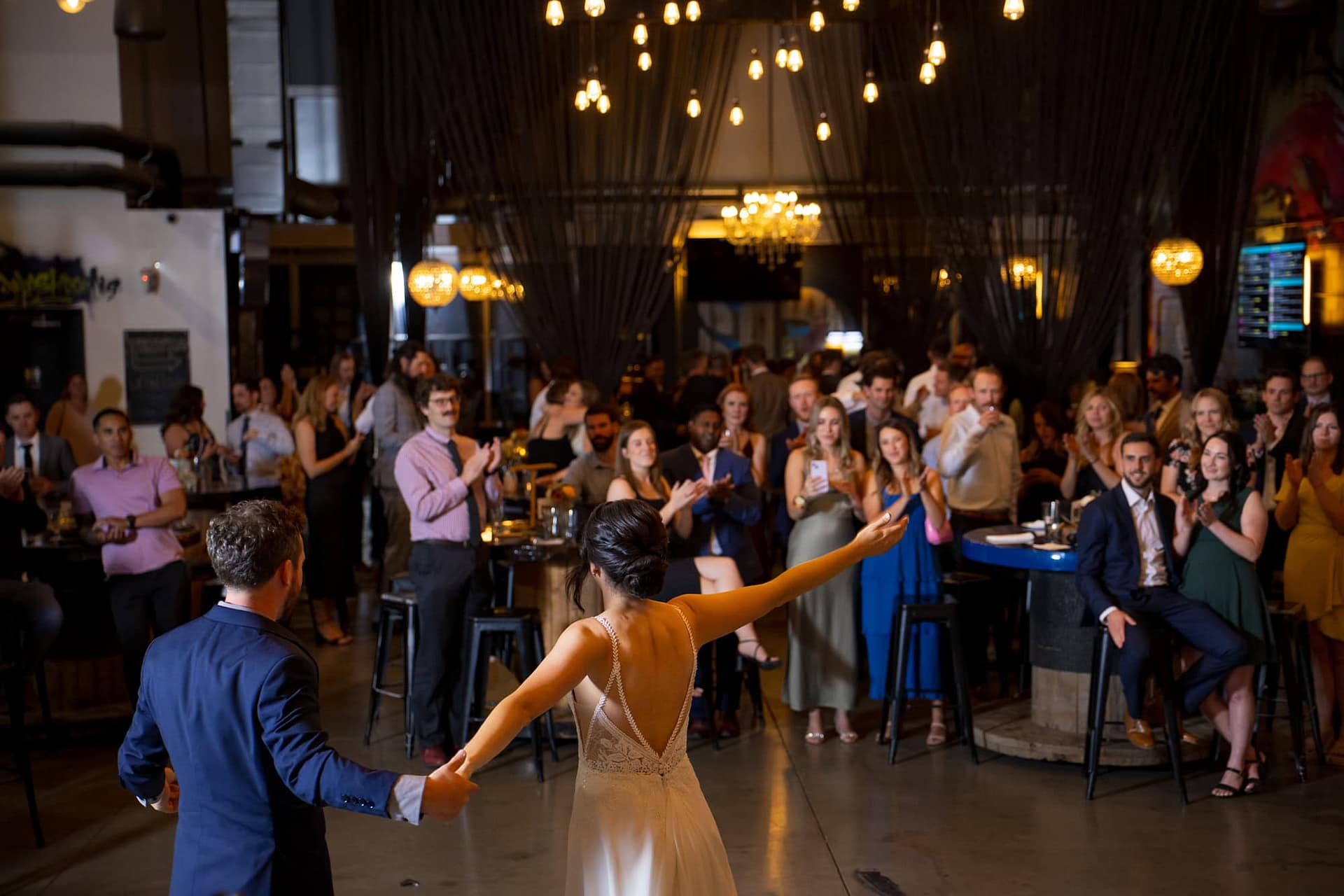
The DJ Playing the Wrong Songs
Music Anxiety
You spent hours building the perfect playlist. You have the “do not play” list ready. And you still lie awake wondering if the DJ is going to blast the Macarena during your first dance.
Music stress is real. Couples put a lot of heart into the vibe they want. So the fear of a DJ going rogue makes total sense.
What Makes a Dance Floor Actually Work
Here’s the truth: guests don’t remember the exact songs. They remember how the night felt.
A packed dance floor at 9pm? That’s what sticks. People laughing and moving? That’s the memory.
Good DJs read the room. They adjust on the fly. They know when to bring the energy up and when to pull it back. That’s the skill you’re actually paying for.
A few things that matter way more than the song list:
- Timing. Playing the right type of song at the right moment keeps people on the floor.
- Volume. If it’s too loud, people leave. Too quiet, nobody dances.
- Transitions. Smooth song changes keep the momentum going.
If you’ve hired someone with good reviews and a solid track record, trust them. Go over your must-haves before the day. Then let them do their job.
The Macarena probably won’t happen. And if it does, someone’s grandma is going to love it.
Check out this article on questions to ask when hiring a DJ
Flower Colors Being Off
The Floral Perfectionism Spiral
You spent months picking the perfect shade of blush. Not pink. Not mauve. Blush. And now you’re worried the florist got it wrong.
This is one of the most common stress spirals couples fall into. You’ve got a color palette saved on Pinterest, fabric swatches from the bridal shop, and a very specific vision in your head. The idea of anything being “off” feels like the whole look falls apart.
But here’s what’s really happening: you’re comparing flowers to a screen. And screens lie.
What Shows Up in Photos vs Real Life
Flowers look different depending on:
- The light in the room (warm indoor light changes colors a lot)
- The time of day (golden hour makes everything look warmer)
- What’s next to them (a cream dress can make blush look pink)
- The camera settings (white balance shifts colors more than you’d think)
That “wrong” shade of dusty rose? It might photograph beautifully. Colors that seem off in person often look stunning in photos. And your guests? They’re not comparing your centerpieces to a Pinterest board. They’re just enjoying the flowers.
Most couples look back at their photos and love how the florals turned out, even when they were stressed about them on the day.

Not Looking Photogenic Enough
Body Image and Camera Anxiety
So many couples worry about this one. It’s one of the most common fears I hear.
“I’m not photogenic.” “I hate how I look in photos.” “What if I look awkward?”
These feelings are real. And they make sense. Most of us aren’t used to having a camera pointed at us for eight hours straight.
Here’s what’s going on: when people feel watched, they freeze up. Their smiles go stiff. Their posture gets weird. They start thinking about their chin angle instead of just being in the moment.
That’s not a “you” problem. That’s a normal human reaction.
How a Great Photographer Makes You Feel at Ease
A good wedding photographer doesn’t just point and shoot. They pay attention to how you’re feeling.
Here’s what that looks like in practice:
- Giving you simple, natural prompts. Not “pose like this.” More like, “whisper something in their ear” or “walk toward me.”
- Keeping the energy light. A little small talk, a joke here and there, zero pressure.
- Moving quickly through formal shots. So you’re not standing stiff for too long.
- Shooting in between the posed stuff. That’s usually where the best photos happen.
The truth is, the couples who say “I’m not photogenic” almost always end up loving their photos. Because they weren’t performing. They were just being themselves.
You don’t need to be a model. You just need a photographer who makes you feel comfortable enough to forget the camera is there.
Guests Not Having Fun
The Host Anxiety Spiral
You’ve spent months planning this day. So it makes sense that you want everyone to have a great time.
But somewhere along the way, “I hope guests enjoy themselves” turns into full-on panic. You start wondering if the playlist is fun enough. If the venue is too far for people to drive. If your great-uncle will hate the food.
This is one of the most common things couples stress about. And it’s also one of the least necessary.
What Actually Makes Guests Enjoy a Wedding
Here’s a truth that might surprise you: guests don’t need a perfect event. They need to feel welcome and included.
Think about the weddings you’ve been to. You probably don’t remember if the appetizers were warm. You remember laughing with people you hadn’t seen in years.
That’s what your guests will take home too.
A few things that actually move the needle:
- Good food – it doesn’t have to be fancy, just filling and tasty
- Music with some energy – a mix that gets different ages up and moving
- A smooth flow – long gaps between parts of the day can kill the mood
- Feeling like they matter – a simple welcome, clear directions, friendly staff
That’s really it. No smoke machines needed.
Your guests showed up because they love you. They’re already on your side before the first dance even starts.

Not Enough Food
Guest Hunger Anxiety
You spent months planning the menu. You tasted every option. You went back and forth on appetizers, mains, and desserts. And still, somewhere in the back of your mind, you’re worried people will leave hungry.
This is one of the most common fears couples have. Nobody wants their guests grumbling about the food. Or worse, hitting a drive-through on the way home.
So you start second-guessing everything:
- Did we order enough?
- What if more people show up than expected?
- What about guests with dietary restrictions?
It’s a lot to carry. But here’s what most couples don’t realize until after the wedding: this almost never becomes a real problem.
How Caterers Plan for This
Professional caterers have done this hundreds of times. They know people don’t eat as much at weddings as they do at a regular dinner. There’s dancing, talking, drinking, and moving around. People graze more than they gorge.
Caterers also build in a buffer. They always prepare more than the headcount. It’s just part of how they work. Running out of food would be bad for their reputation, so they make sure it doesn’t happen.
A few things worth knowing:
- Caterers overprepare by design. Extra portions are standard practice.
- Late arrivals and no-shows balance things out. There are almost always a few guests who cancel last minute.
- A full evening of activity curbs appetite. Guests eat less when they’re busy having fun.
If you’re still worried, just talk to your caterer directly. Ask them how they handle portions and extras. They’ll walk you through it. That one conversation will probably put your mind at ease more than any amount of menu planning.
The Venue Being Too Hot or Cold
Temperature Control Worries
You’ve picked the perfect venue. But then the worry creeps in. What if it’s too hot in summer? What if guests freeze in winter? What if the AC breaks down right before the ceremony?
This is one of those things couples spend way too much time stressing over.
Why Guests Adapt Quickly
Here’s the truth: guests are flexible. They’ve been to events before. They know how to handle a warm room or a chilly hall.
A few things guests do naturally:
- Grab a sweater from their car
- Step outside for air if it’s warm
- Move closer to the dance floor to warm up
- Order a cold drink from the bar
People self-regulate. It’s just what humans do.
And venues? They deal with temperature issues all the time. The staff knows how to adjust the heating and cooling fast. It’s part of their job.
The bigger picture is this: no guest has ever left a wedding saying, “Great couple, shame about the thermostat.” What they remember is the food, the music, and how happy you looked.
So if the room feels a little warm during cocktail hour, don’t panic. Your guests are having a good time. A glass of cold water and good company fixes most things.

The Things You’ll Remember Aren’t the Things You’re Worried About
After photographing more than 50 weddings, I’ve learned that the moments couples treasure most are rarely the ones they spent months planning perfectly.
They remember the deep breath before walking down the aisle. The way their partner looked at them when they finally saw each other. The unexpected laugh during portraits. The hug from someone they love. The tiny moments that weren’t written into the timeline but somehow became the moments they never want to forget.
Your wedding day does not need to be flawless to be meaningful. The little imperfections, unexpected moments, and unplanned memories are often what make your day feel like yours.
So if you find yourself worrying about everything that could go wrong, remember this: you are not planning a performance. You are creating a day filled with people, emotions, and moments that only happen once.
And those are the moments worth remembering.
If you’re planning a wedding in Calgary, Banff, Canmore, or the Alberta Rockies and want photography that feels less like posing and more like being present with the person you love, I’d love to hear your story.